Shelagh's Lens
Bringing Vancouver and the world to inspired travellers
After the Game

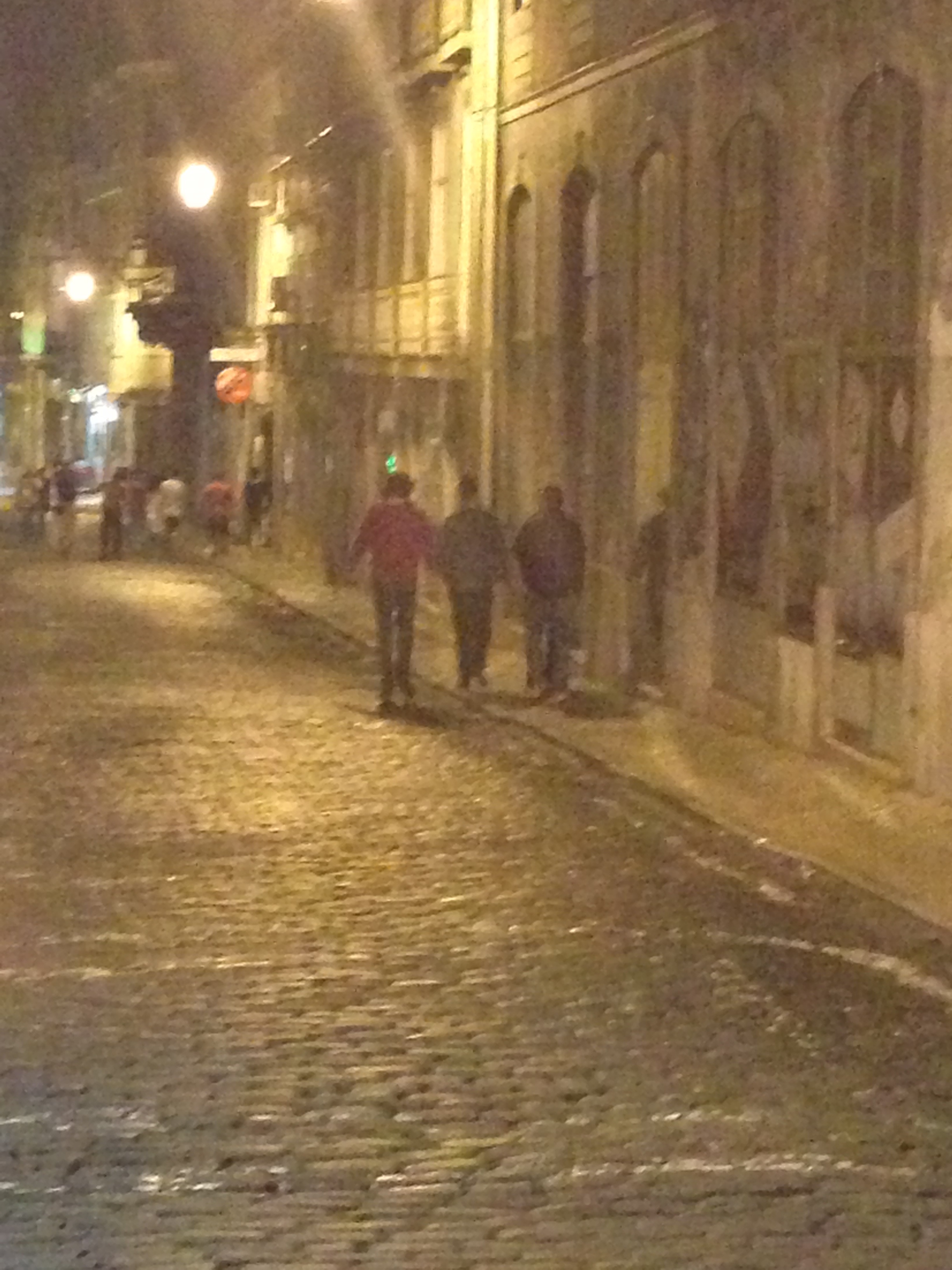
Here in Lisbon, after a couple of eventful World Cup games, fans made their way home through the shadows and cobbles.
Share this post, and Shelagh's Lens, with others who love to travel

Playing for Gold
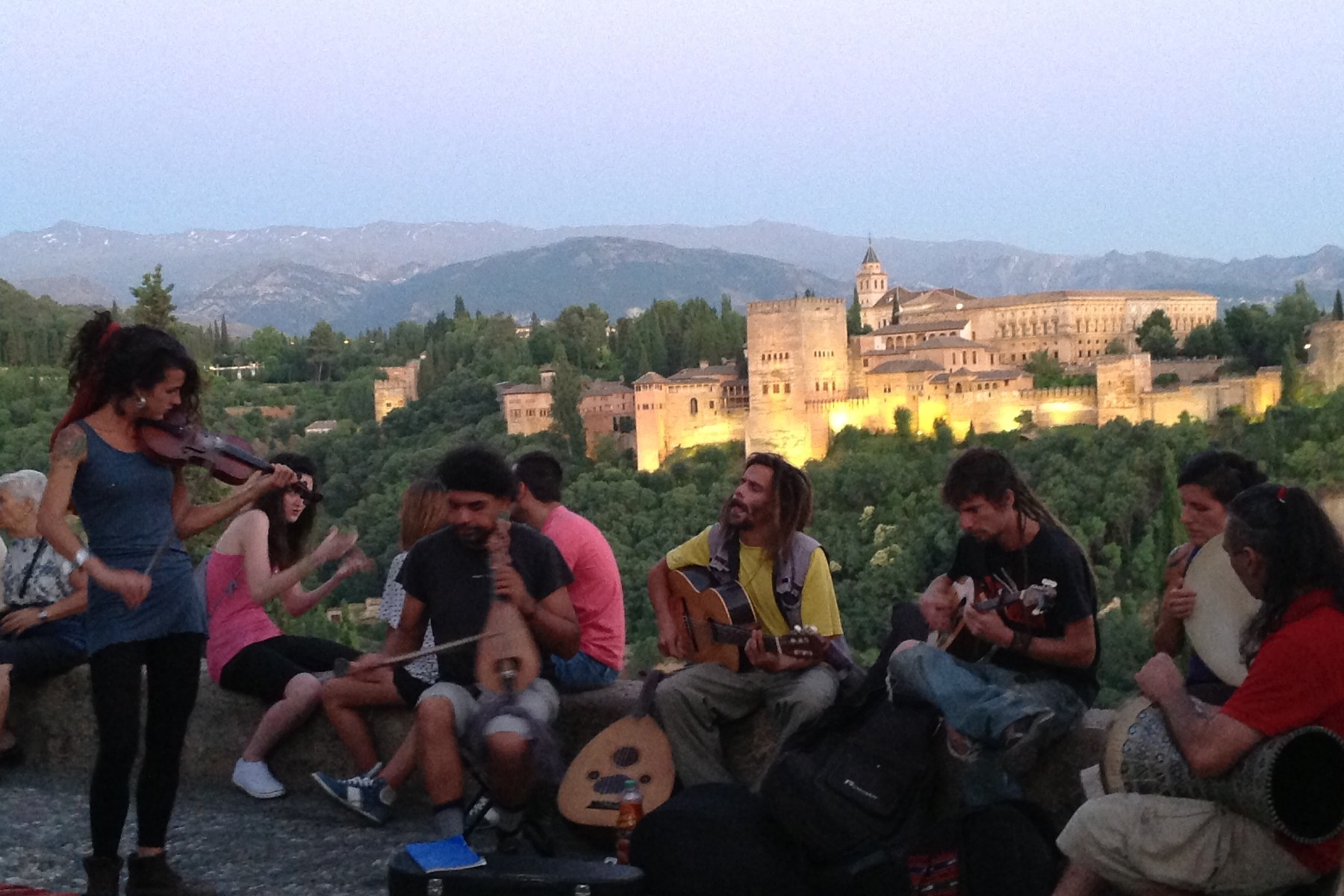

At Mirador de San Nicolas, tourists gather day and night for views of Granada’s Alhambra. The views, with mountainous backdrop, are gorgeous by daylight and take on enchanted hues as the sun sets on another day.
There is a high population of young people in this old city, many of them here for university studies. There are also many who are beyond the blush of youth, but appear to continue to live the lifestyle – and yet others whose stays seem to be short term, or with short term thinking, as they don’t pick up after their dogs, around whose droppings you’ll carefully navigate throughout the hilly cobble stone streets leading to the Albaicín Quarter.
Here, as tourists made their way to Mirador de San Nicolas for sunset views, this group gathered in a prime position as dusk fell, and played for the visitors’ Euros. They were in good company, as it was difficult to walk more than a few paces without coming across a blanket or scarf strewn with trinkets to lighten one’s wallet.
The atmosphere was, despite the commerce and repeat variations of the same tune, peaceful and added to, rather than detracted from, the reason we’d climbed the steps for the views.
Share this post, and Shelagh's Lens, with others who love to travel

No Place Like Home

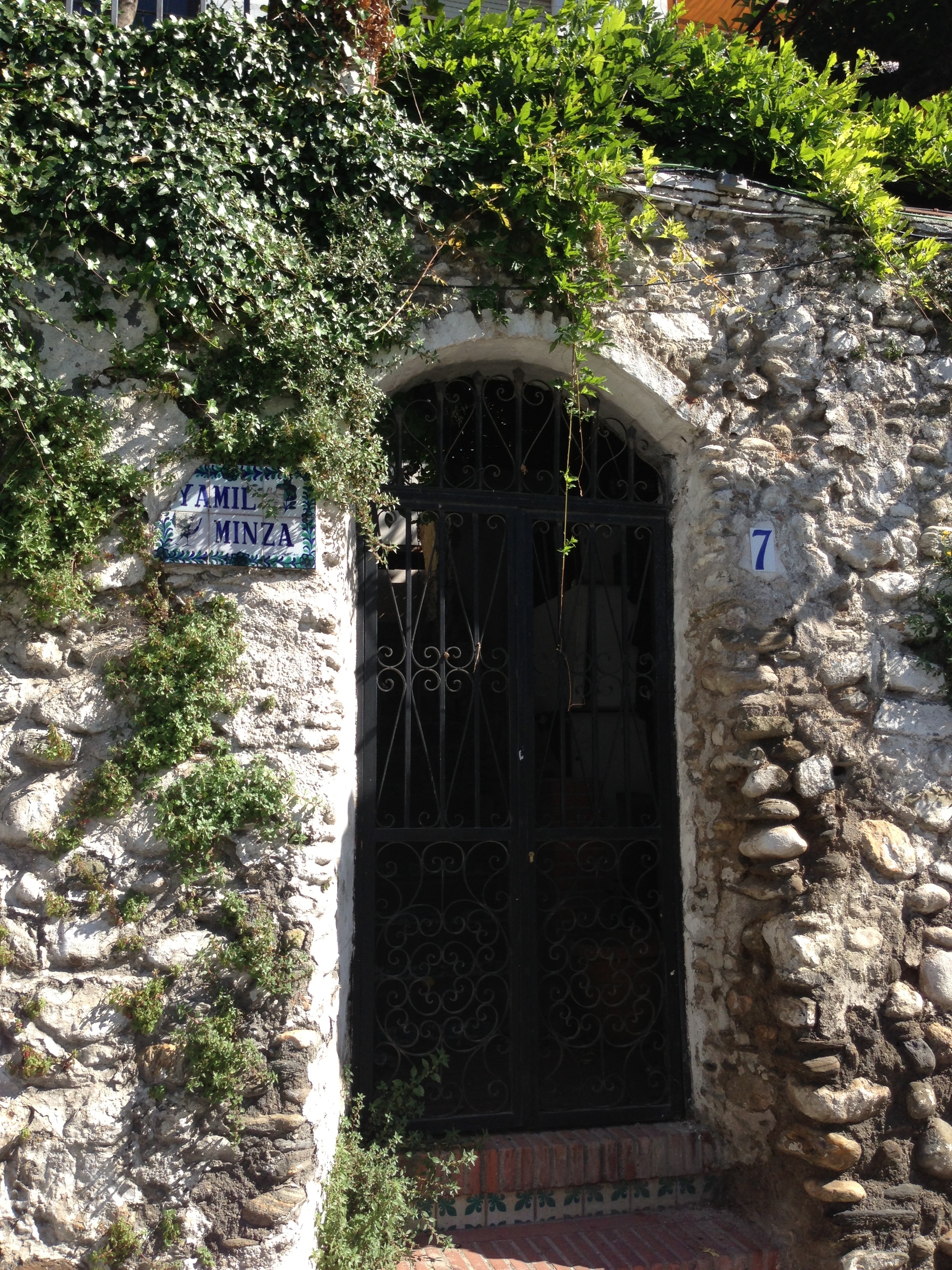
Granada, particularly in neighbourhoods such as the Albayzin area in which we stayed, is a city of narrow, cobbled hills and stone.
There are advantages to visiting such quarters, including proximity to Mirador de San Nicolas and its views of the exotic Alhambra, which merits all the acclaim bestowed upon it.
Another advantage is the certainty that you will almost literally stumble upon lovely sights such as this. I love to photograph doors and doorways, and this is one that seemed to protect its occupants even while offering a proud welcome.
Share this post, and Shelagh's Lens, with others who love to travel

Dichotomy on the Plaza
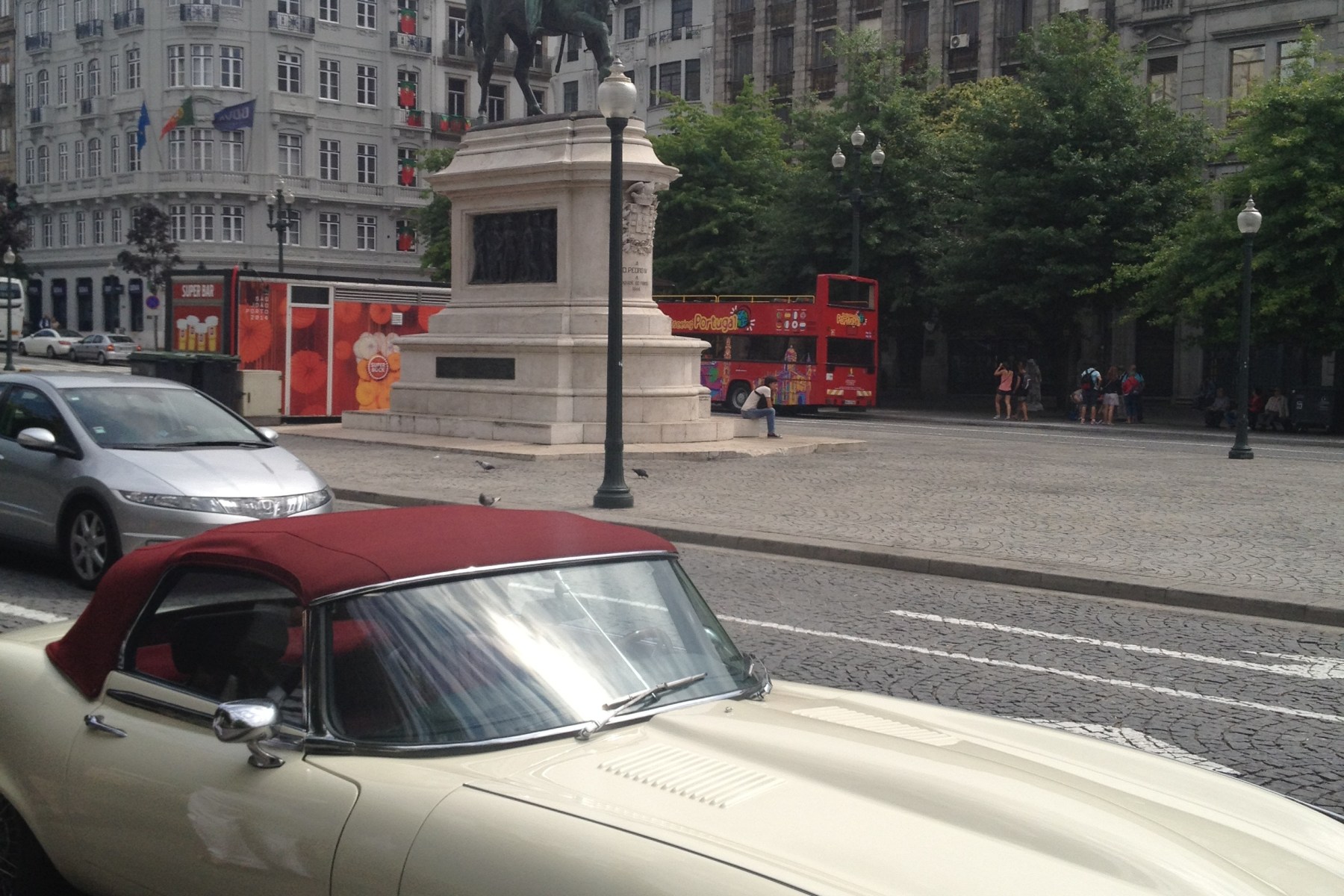
Porto’s Avenue dos Aliados is a splendid site, and is literally on the doorstep of the InterContinental’s Palacio Das Cardosas, where we recently enjoyed stellar hospitality.
Stepping outside the hotel one morning, my eyes were drawn to this gorgeous Jaguar. The cars’ owners, who were finishing a light meal at the sidewalk cafe, had clearly seen their car admired many a time and appeared to be accepting but somewhat bored by the attention given the car.
Trying to capture this vintage car framing the statue and lovely buildings in the background, I was at first frustrated that drivers of contemporary vehicles kept entering the shot. What did they think this was, a public road?
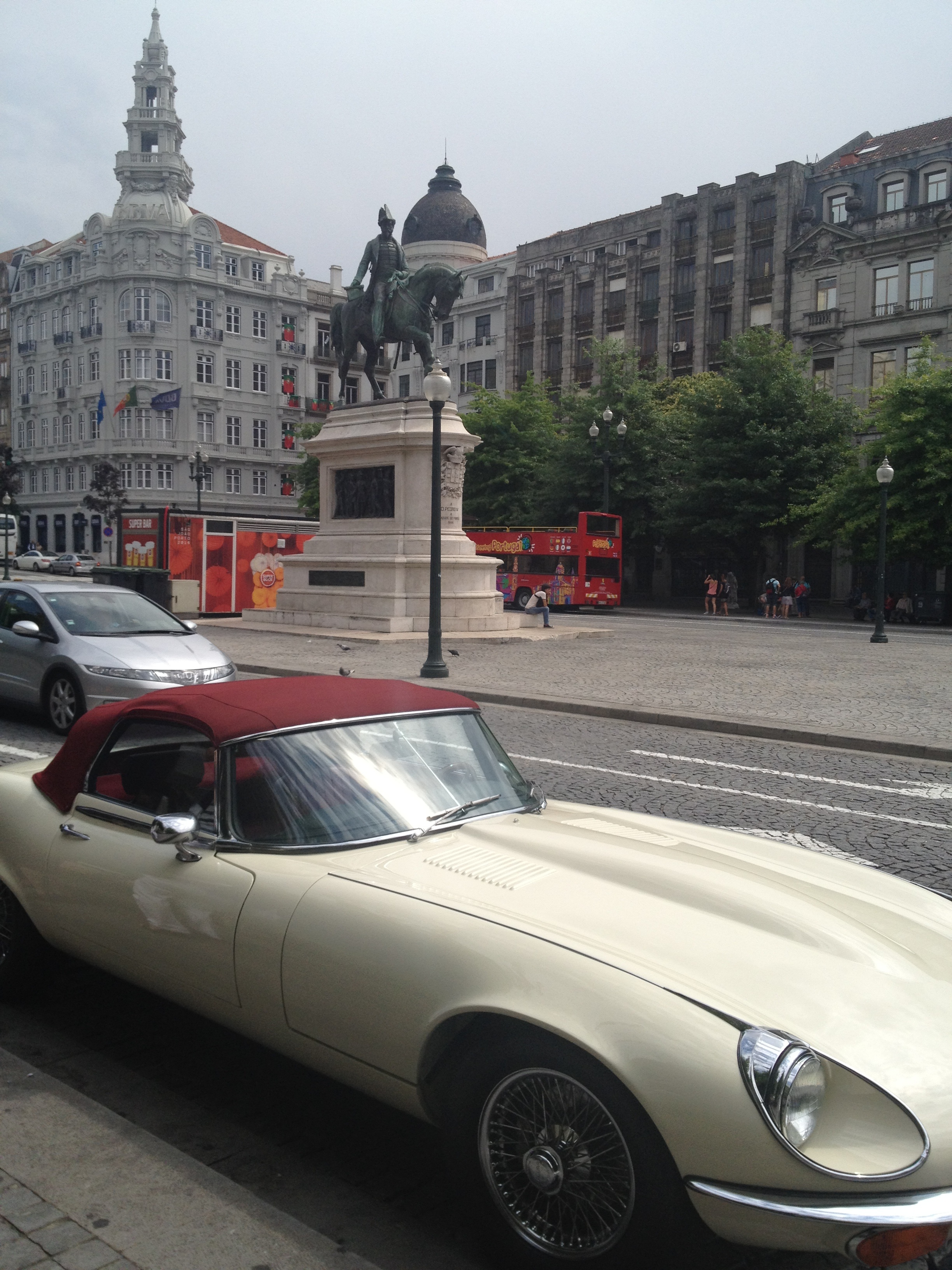
As the vivid red, double decker sight-seeing bus pulled up to its station across the plaza, though, I gave up on the classic shot I’d been seeking, and accepted the convergence of languid diners, frazzled tourists, a vintage Jag and shiny tourist bus as yet another example of the dichotomies of life.
Share this post, and Shelagh's Lens, with others who love to travel

Sunny, Sunny Days
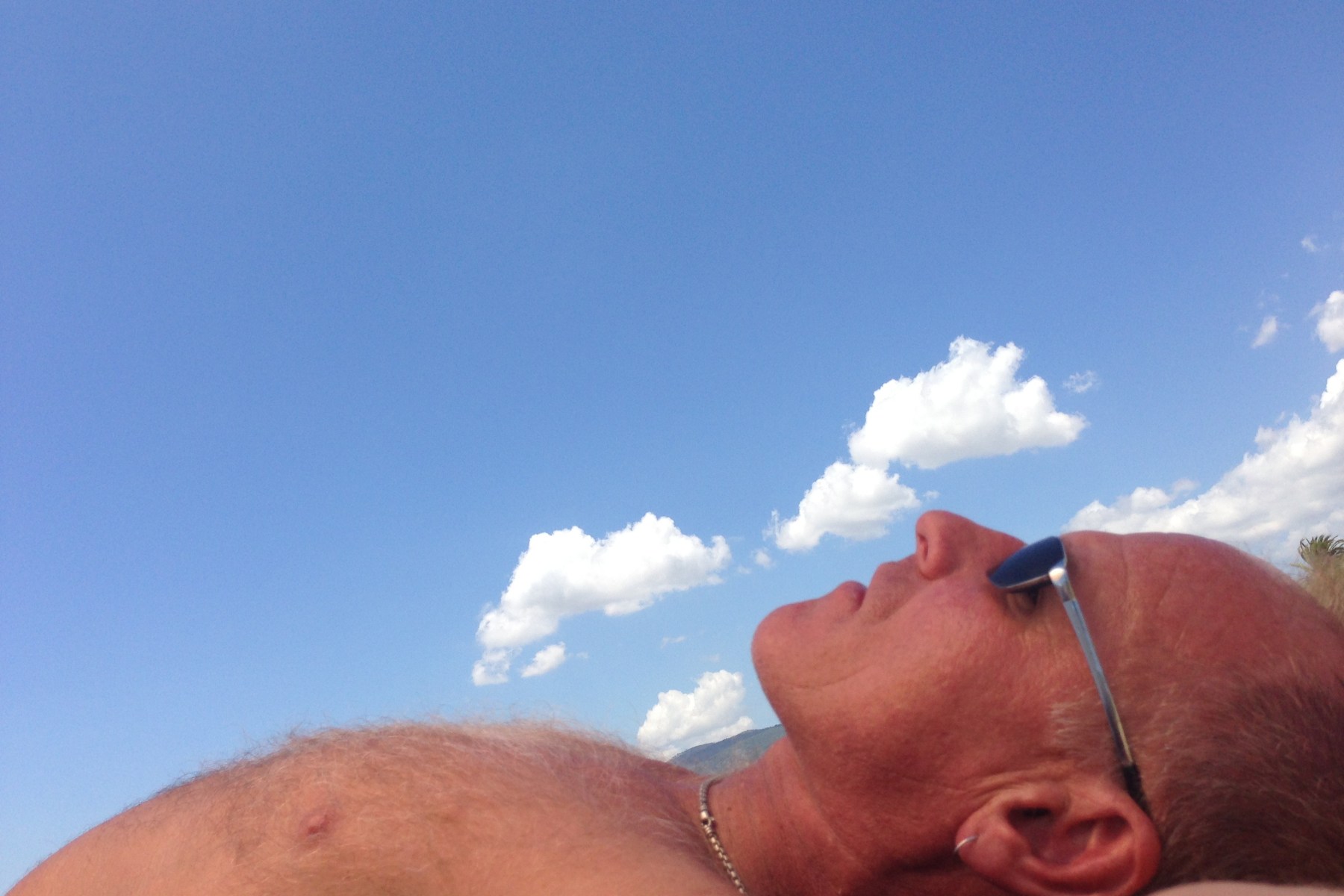
… with just a few friendly clouds framing this sun worshipper’s profile.
Share this post, and Shelagh's Lens, with others who love to travel

Temptations
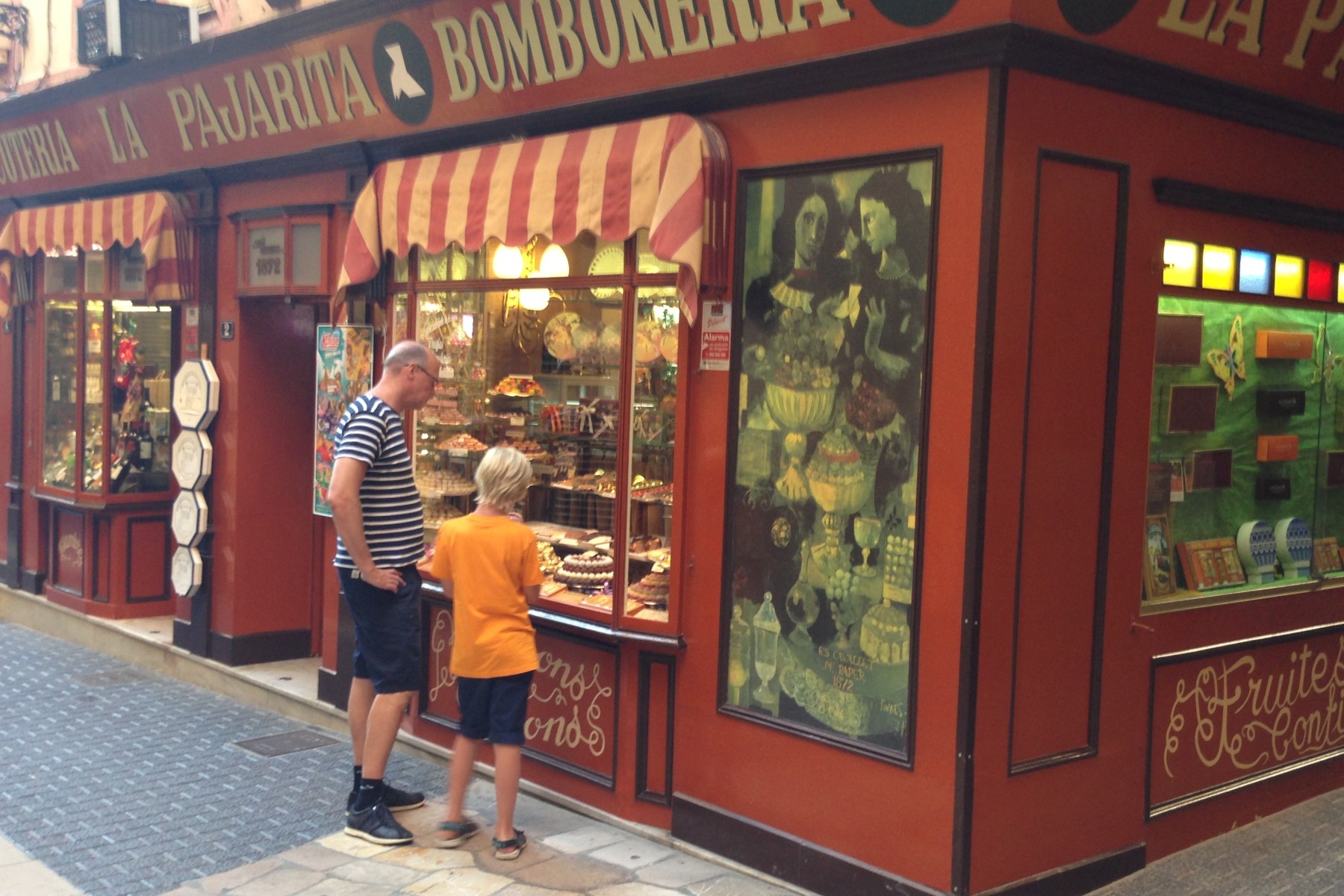
Amid the winding stone streets of Palma, this father and son face tough choices as they gaze through the windows of La Pajarita Bomboneria (The Bow Tie).
Along with the adjoining Charcuteria, home to hams, cheeses and condiments, the shop dates back to 1872, when a chocolatier opened his doors in this location to enjoy the custom of Archduke Louis Salvador.
Today, four generations later, the shops – which were separated in 1972 – enjoy the custom, or business, of locals and tourists alike, and remain in the hands of the same family.
Share this post, and Shelagh's Lens, with others who love to travel

Girl at the Gate

Here, at the Palace of Versailles, we have a young traveller taking a break from crowds and architecture. With throngs of people everywhere around on a hot, sunny afternoon, this young woman found a quiet corner by the golden gates. 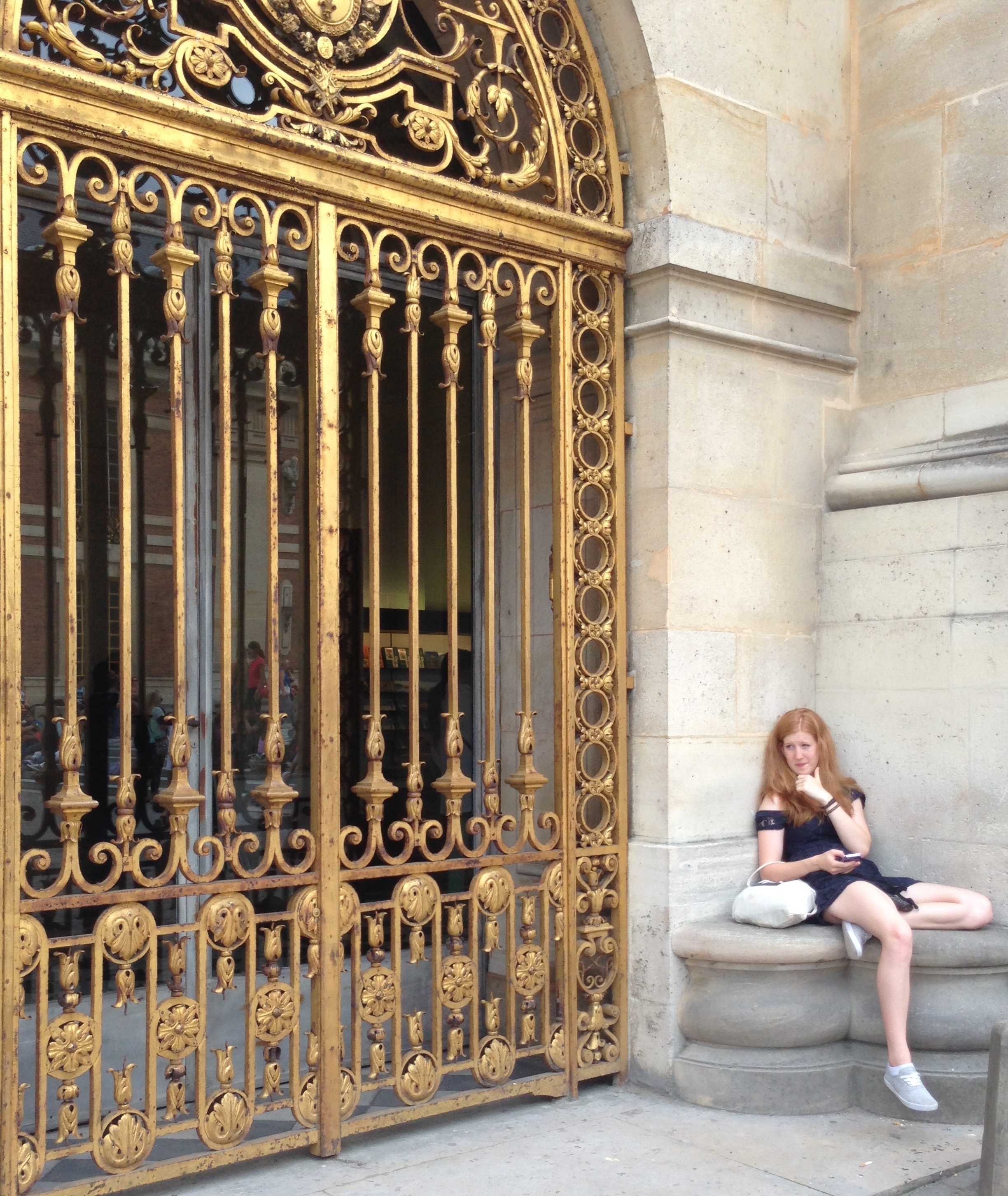
Share this post, and Shelagh's Lens, with others who love to travel

Louvre at Sunset
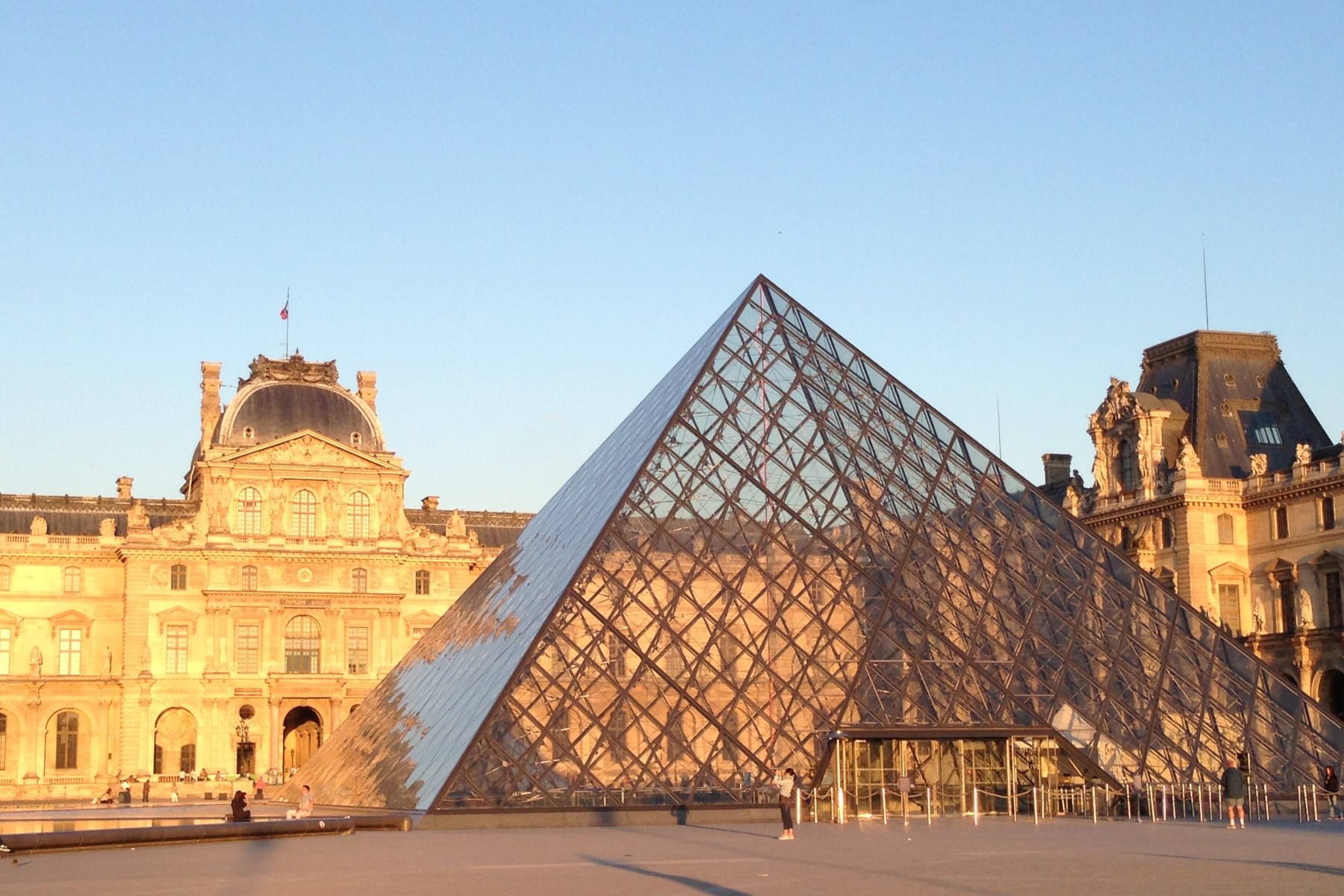
In Paris, admission to the Louvre is free of charge on Bastille Day.
Here, once this sensory treat has closed for the day, and crowds have made their way home or to a cafe before regrouping for fireworks by the Eiffel Tower, the Louvre basks in the solitude and sunset, which lends a gently golden cast.
Share this post, and Shelagh's Lens, with others who love to travel

Visions in White: Family
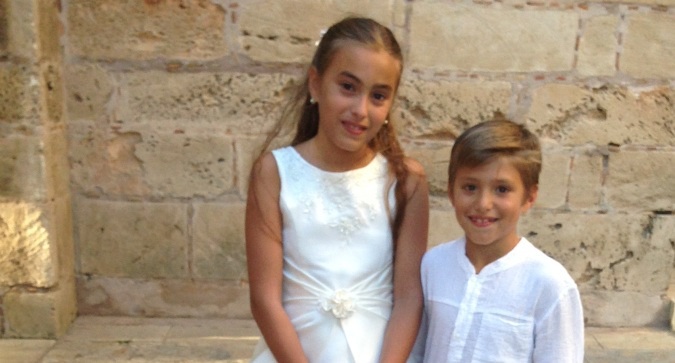
Concluding today’s trilogy of images wrapped in white, here is a sweetly earnest pair we met on our travels.

Share this post, and Shelagh's Lens, with others who love to travel

Visions in White: Swans
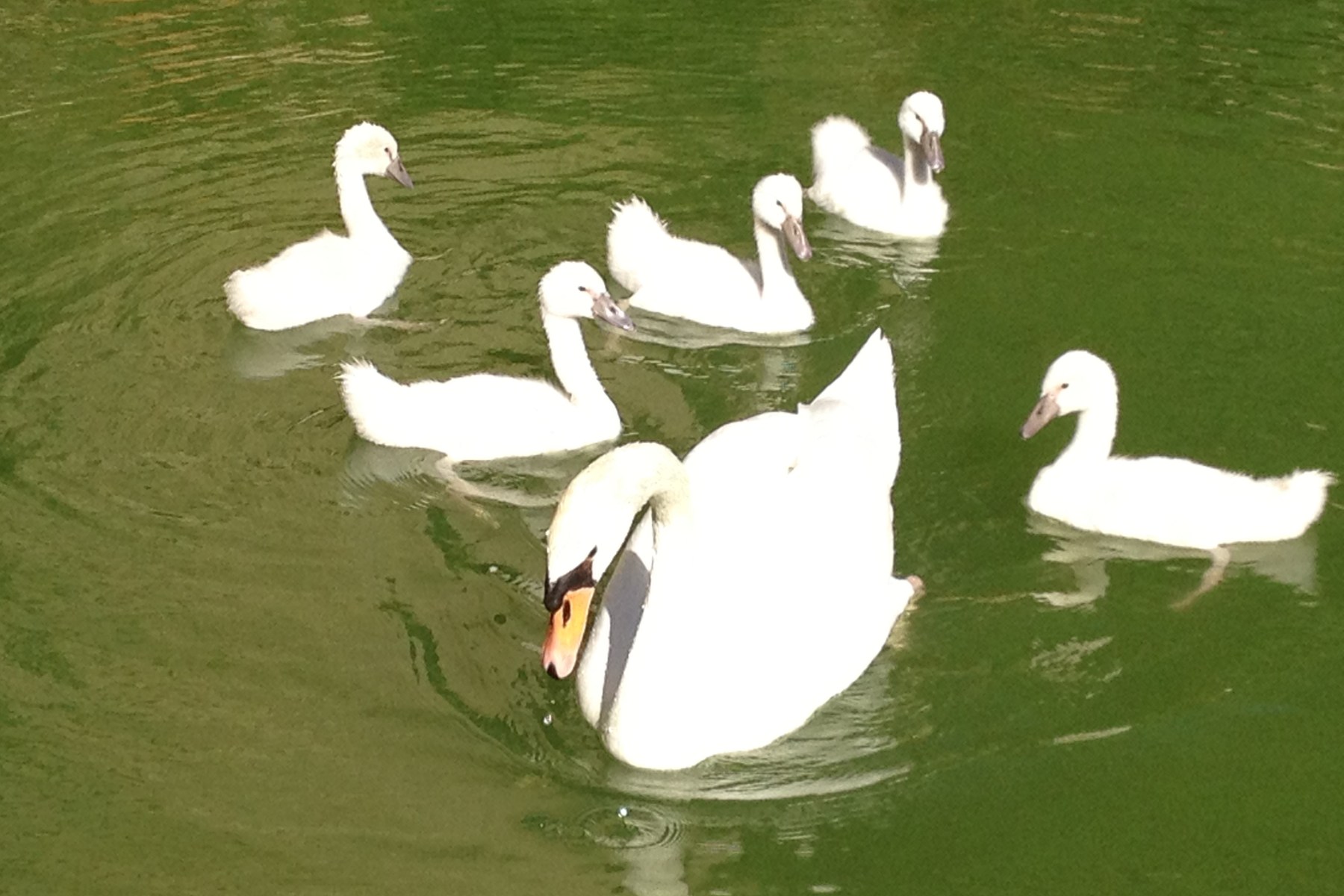
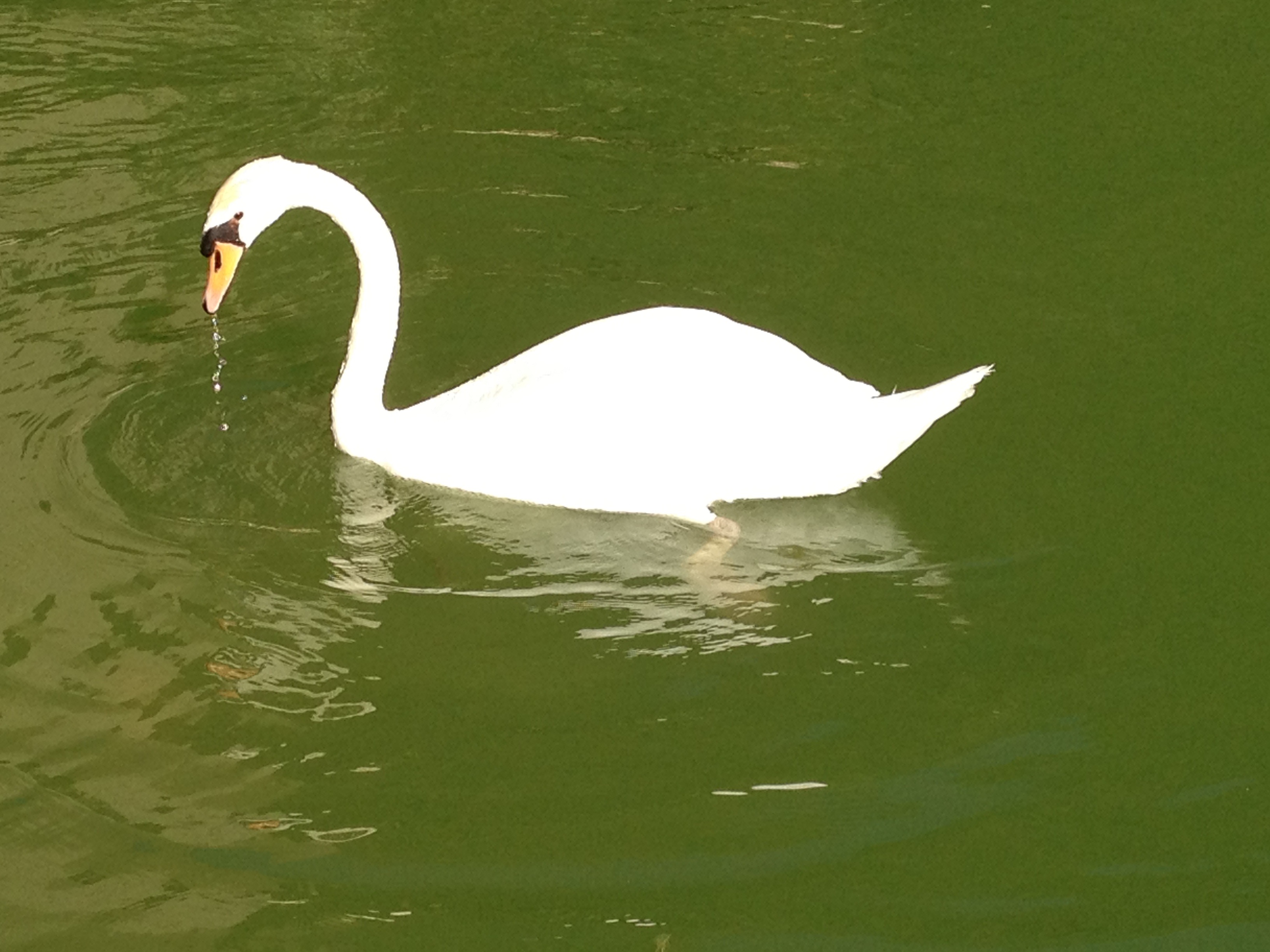
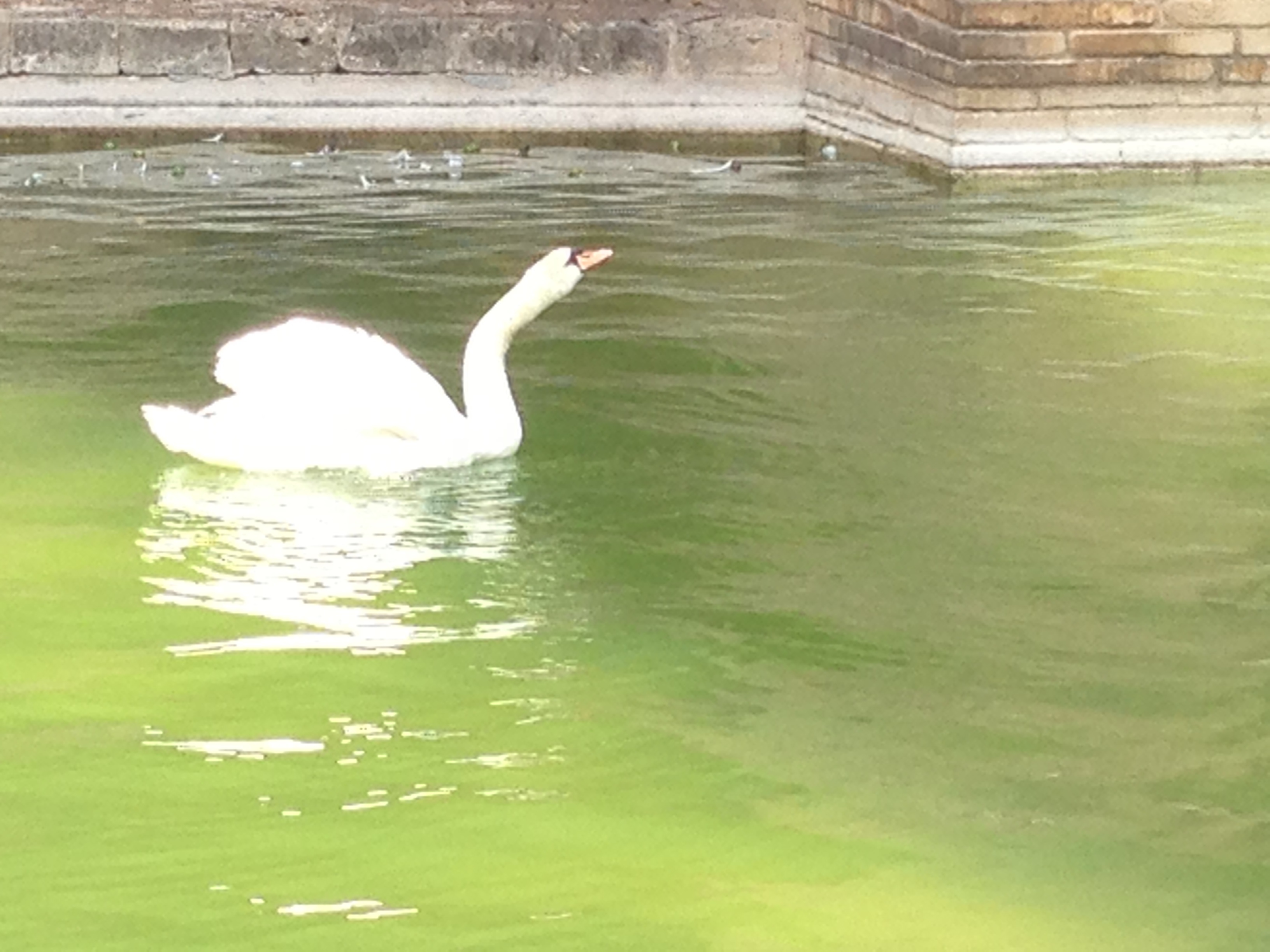
In a recent post, I mentioned that the lovely bride picking up the skirts of her gown reminded me of these swans. See what you think.


 Shelagh's Lens