Shelagh's Lens
Bringing Vancouver and the world to inspired travellers
Lengths at Sunrise
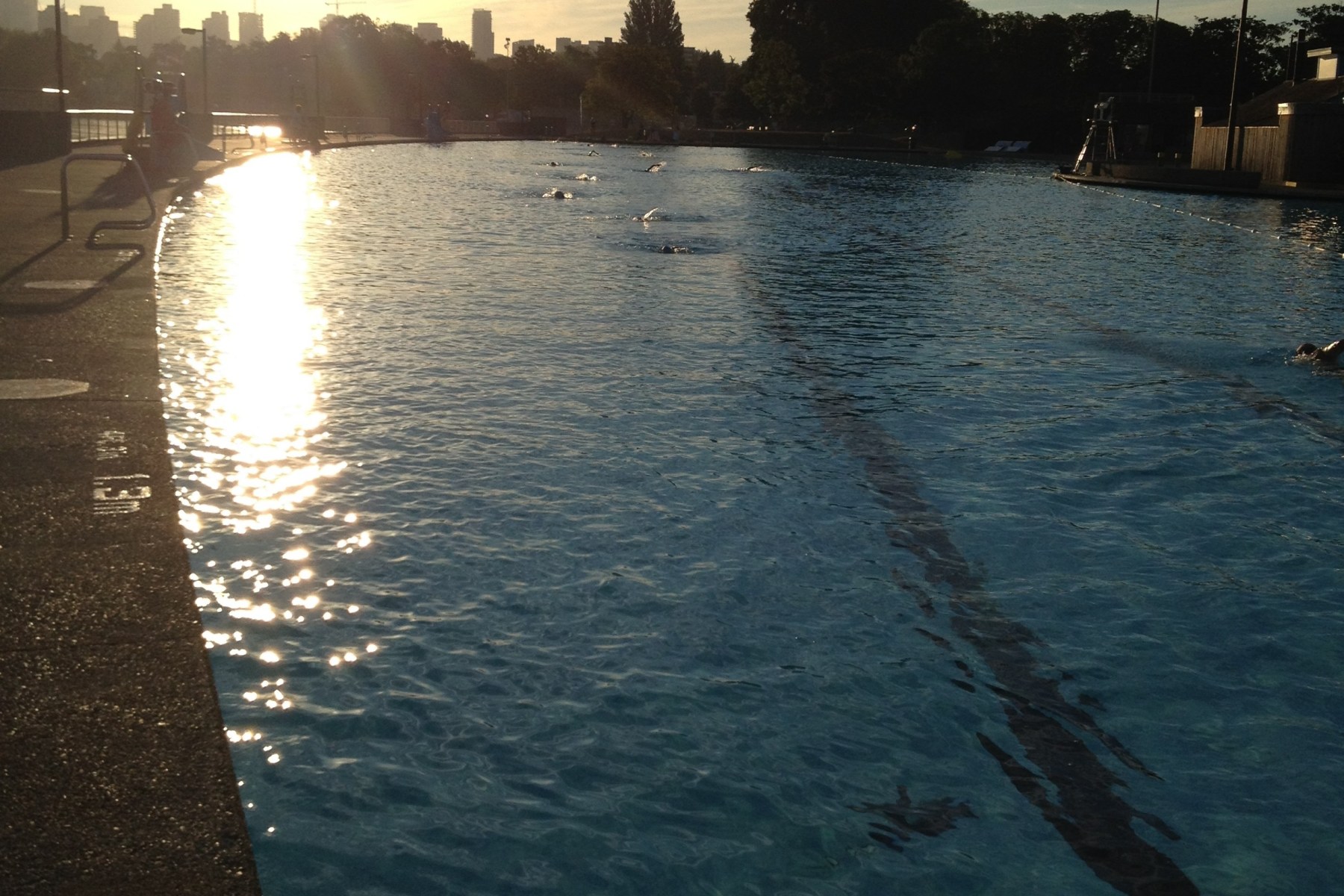
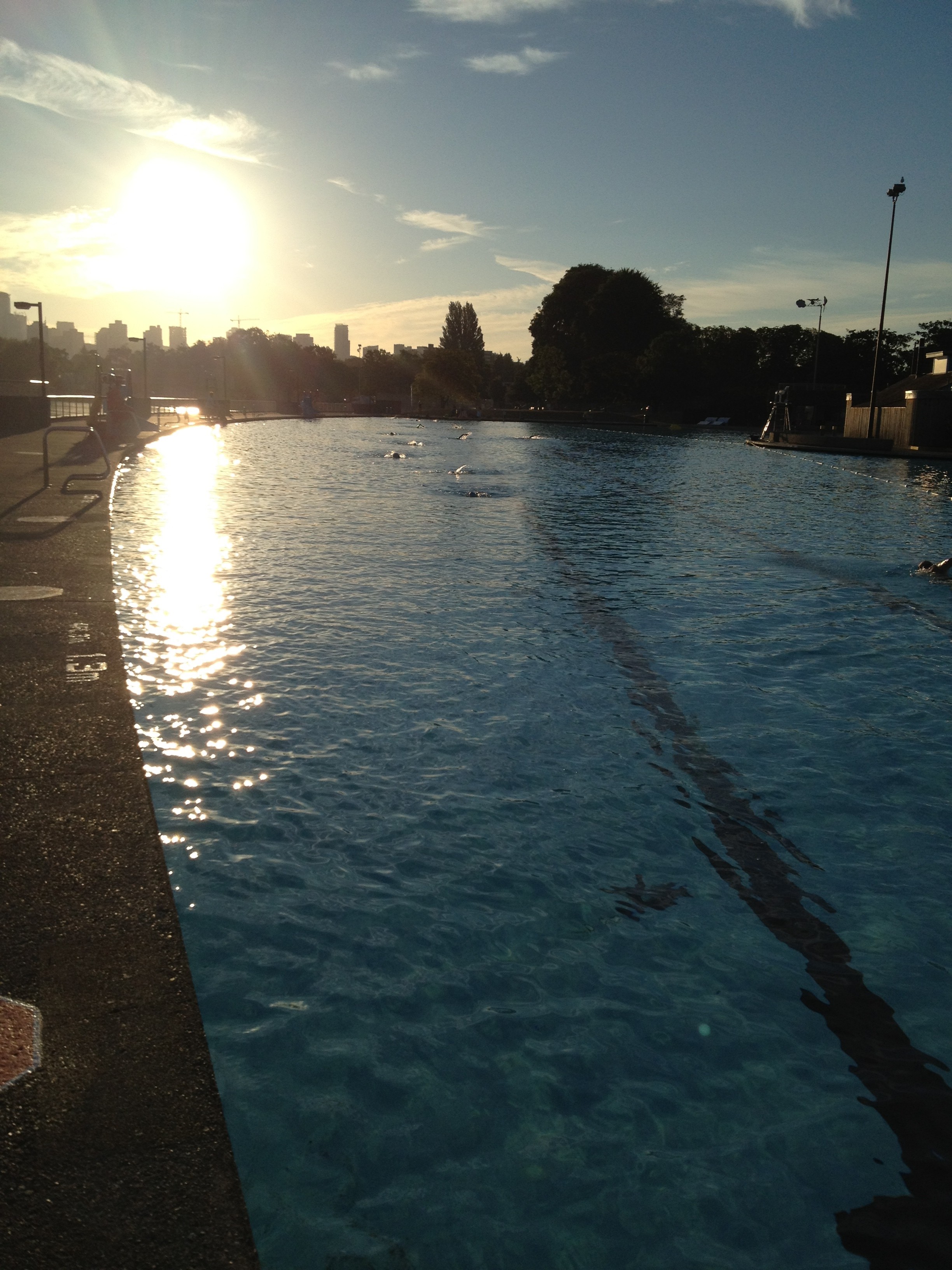
I’ve included images before of Vancouver’s Kitsilano neighbourhood, and alluded to the wonderful Kits Pool.
At 137 meters/449 feet in length, this is a salt water swimmer’s nirvana – all the more so for the breathtaking views everywhere one turns. As you’re swimming your lengths, and coming up for air, you’re rewarded with views of the North Shore Mountains. Pause a moment at the end of a length, and you can inhale views of the beach, Stanley Park and downtown Vancouver.
If you’re one of the early morning swimmers, you have the added treat of sunrises such as this.
Share this post, and Shelagh's Lens, with others who love to travel

Nightfall
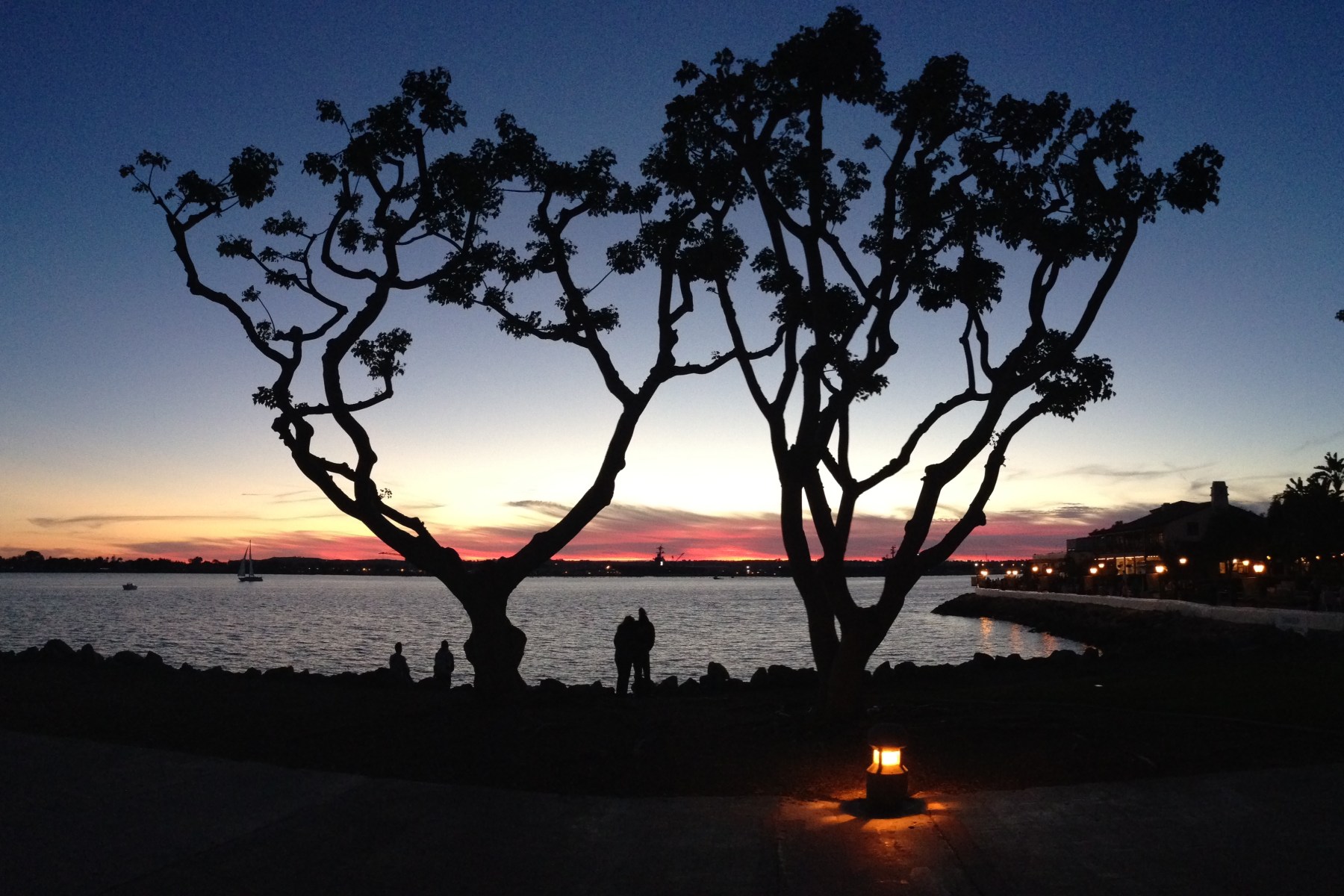
Close your eyes, and imagine a west coast sunset.
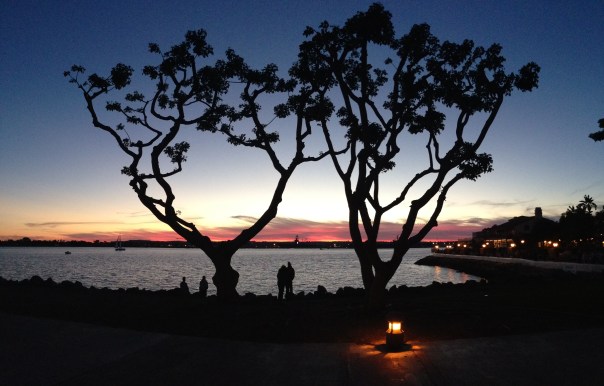
Here, on the San Diego waterfront, we have early nightfall, just seconds after the sun dropped below the horizon of the Pacific Ocean.
Share this post, and Shelagh's Lens, with others who love to travel

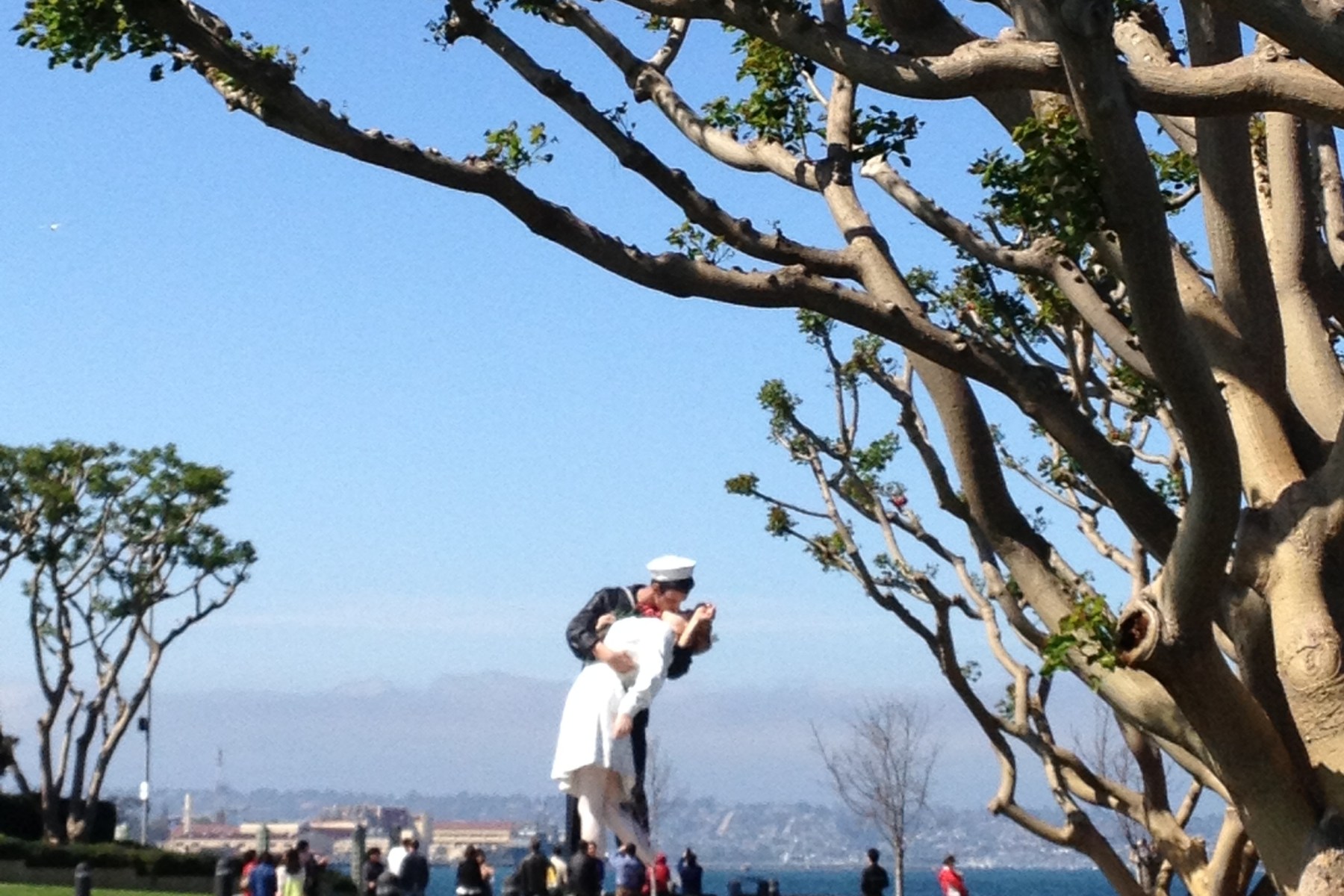

Breakaway
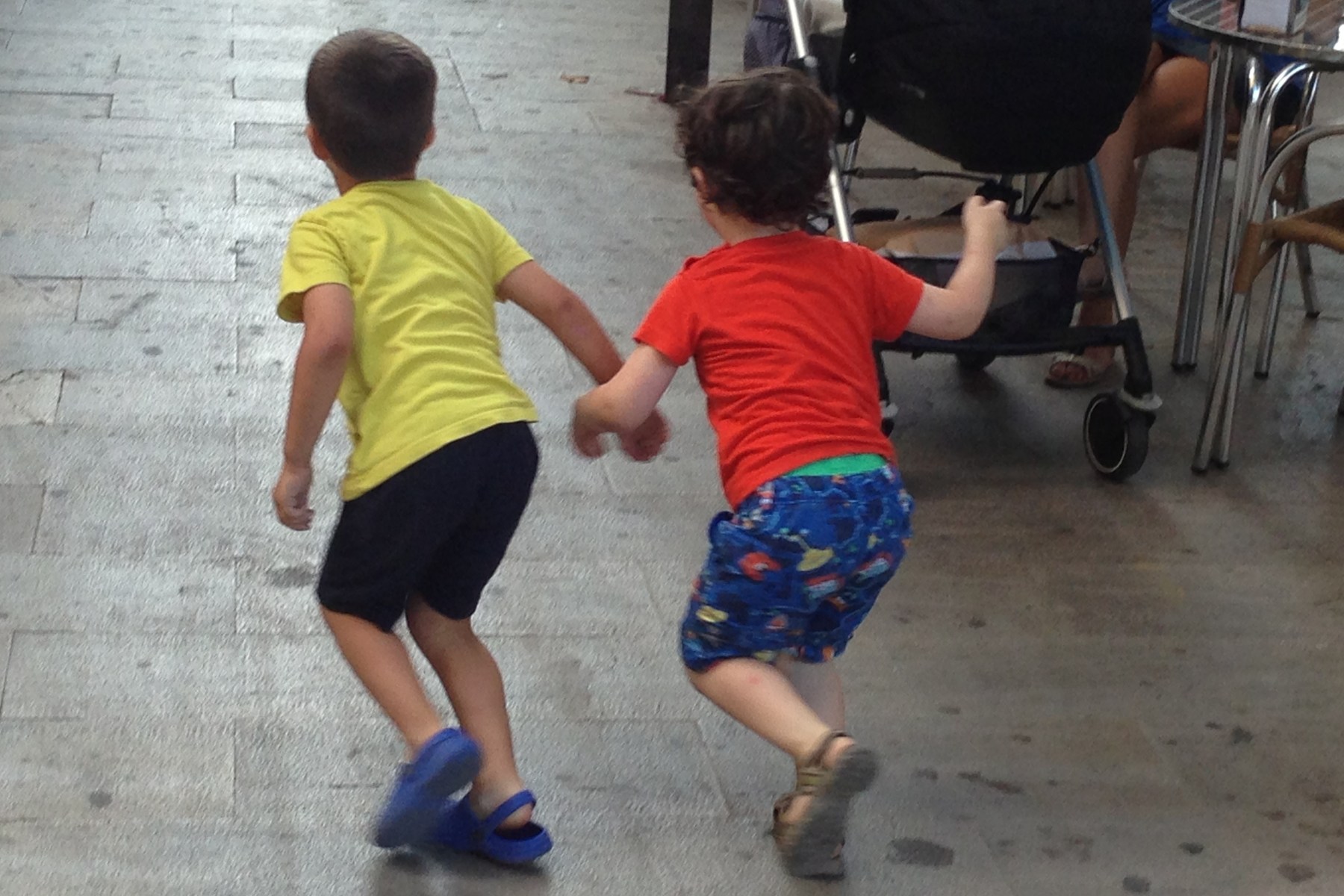
These two little pals were enjoying a bit of freedom from the constraints of sitting still at one of the sidewalk tables with their mums, and the entire block stretched open to them.
Share this post, and Shelagh's Lens, with others who love to travel

Gently Lit

Is it a visual effect crafted by mirrors, gilt and a single fixture, or something more?
We’re back at Palais Garnier, the Paris Opera House, where the sense of the theatrical is not confined to the stage. Here, we had the pleasure of a quiet walk through doorways and time, along a high ceilinged hallway that is exquisitely designed and elegantly lit by multiple chandeliers.
Share this post, and Shelagh's Lens, with others who love to travel

Patterns
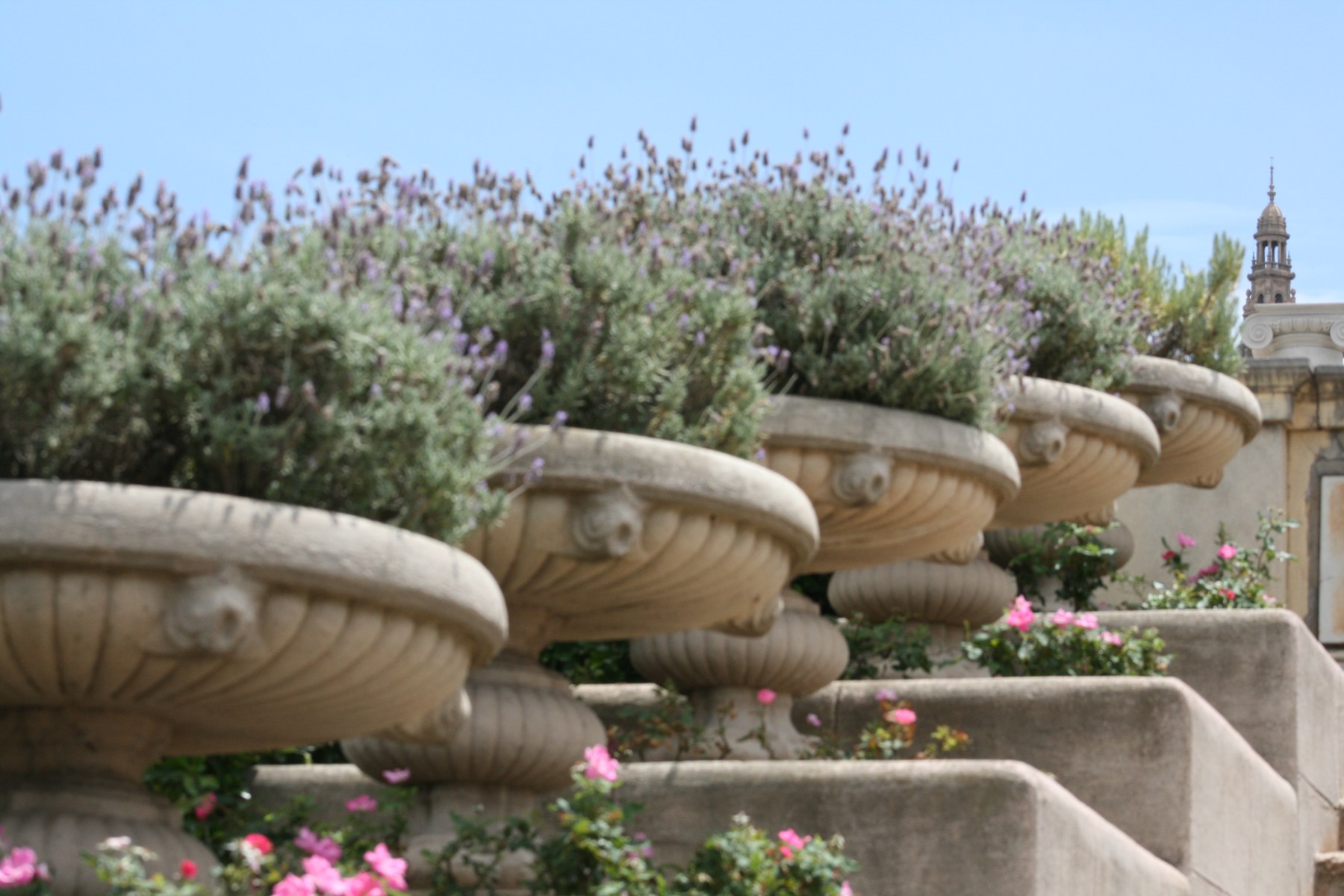
Barcelona’s Museu Nacional d’Art de Catalunya is situated in a building known as the Palaau Nacional of Montjuïc, which gives the impression of a majestic, enchanted castle; think Cinderella rushing down one of the exterior staircases.
The building is, however, relatively new; it was built for the International Exposition of 1929. The approach is beautiful and includes fountains and tiers of staircases and lavender-laden planters, such as these.
Share this post, and Shelagh's Lens, with others who love to travel

With Bells On
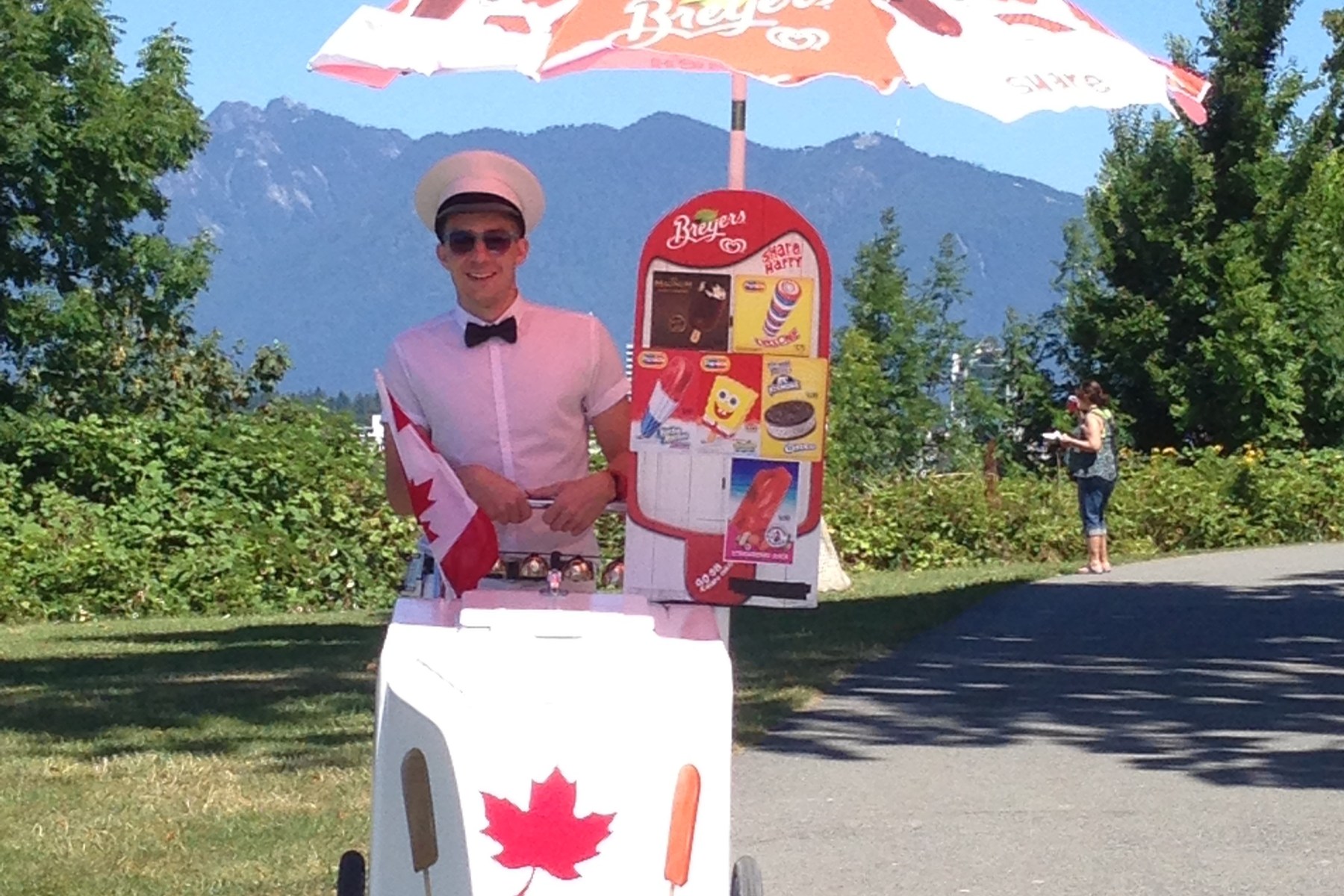
With blue skies, a gorgeous backdrop of mountains and happy beach-goers delighted to see you, wouldn’t you be smiling, too?
For the many people enjoying Kits Beach this afternoon, the perfect summer day was made even more pleasant by the arrival on the scene of this friendly ice cream man, complete with this 60-year-old cart he’d refurbished.
Share this post, and Shelagh's Lens, with others who love to travel

Vane
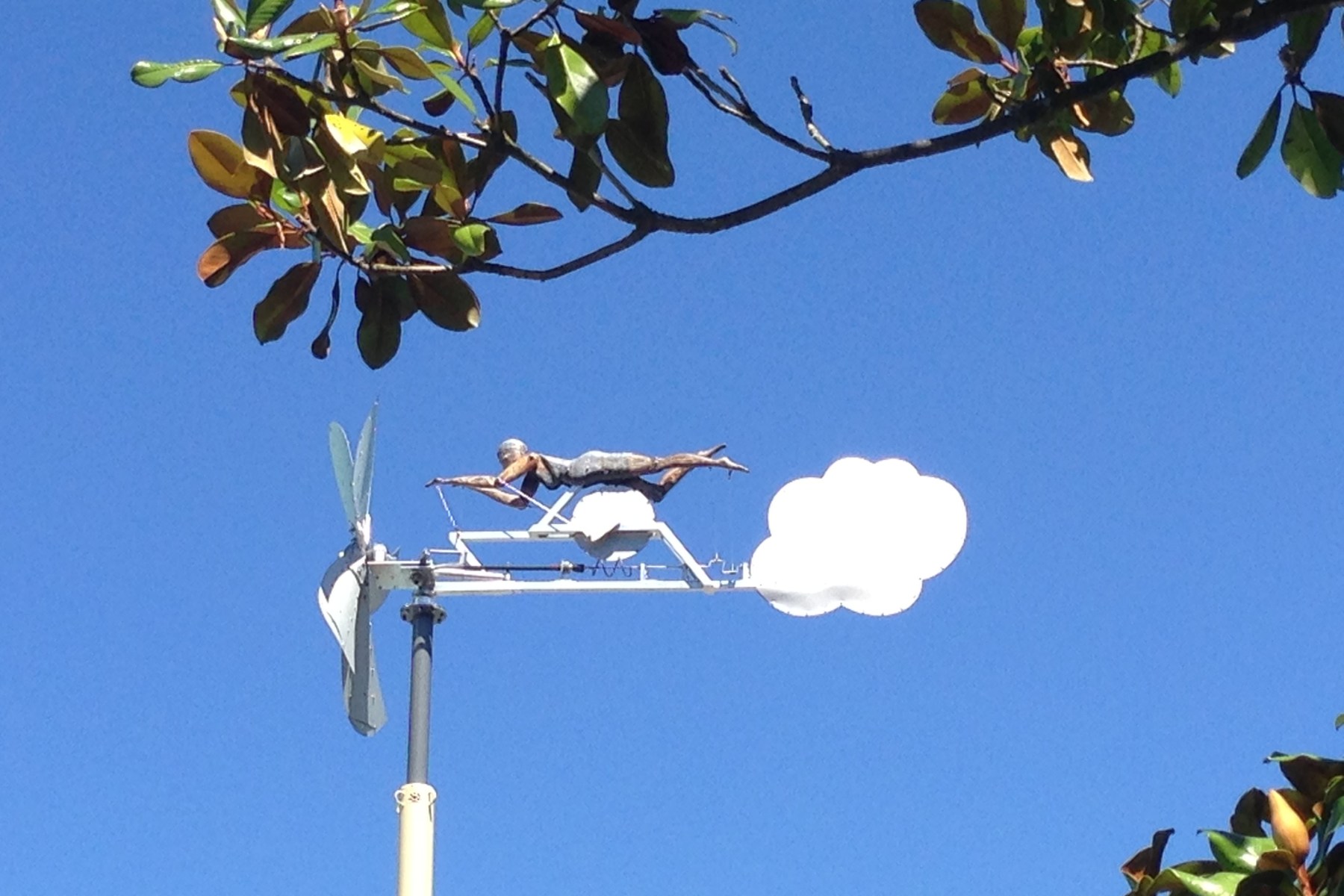
Kitsilano, Vancouver is a great place to visit or, better yet, live. Here, by the 137-meter Kits Pool, which enjoys a beachfront location and views of boats, Stanley Park, the mountains, city and more, we have our own weather vane.
Sculpted of aluminum, bronze, lead, steel and wood by Doug Taylor, the Wind Swimmer was installed by Kits Pool in 1996 and is always a treat for the eyes.


Share this post, and Shelagh's Lens, with others who love to travel

Upstairs, Downstairs

Urban renewal is nothing new; it was on Napoleon III’s mind when he placed Baron Haussmann in control of rebuilding significant portions of Paris more than a century and a half ago.
Haussmann selected the site of the Opera House, also known as Palais Garnier, named for the architect Charles Garnier, who was an unknown until he beat out acclaimed architects in1861 and won the privilege of designing the building. Barely two months into the project, Garnier discovered that Haussman’s site lay above an underground lake, which his crews built a concrete cistern to drain.
Other delays, such as war with Prussia, meant that it was 1875 before the 2,156- seat theatre – then the largest on the planet – opened. Here, we have the profile of the grand staircase.
Share this post, and Shelagh's Lens, with others who love to travel

Backstage
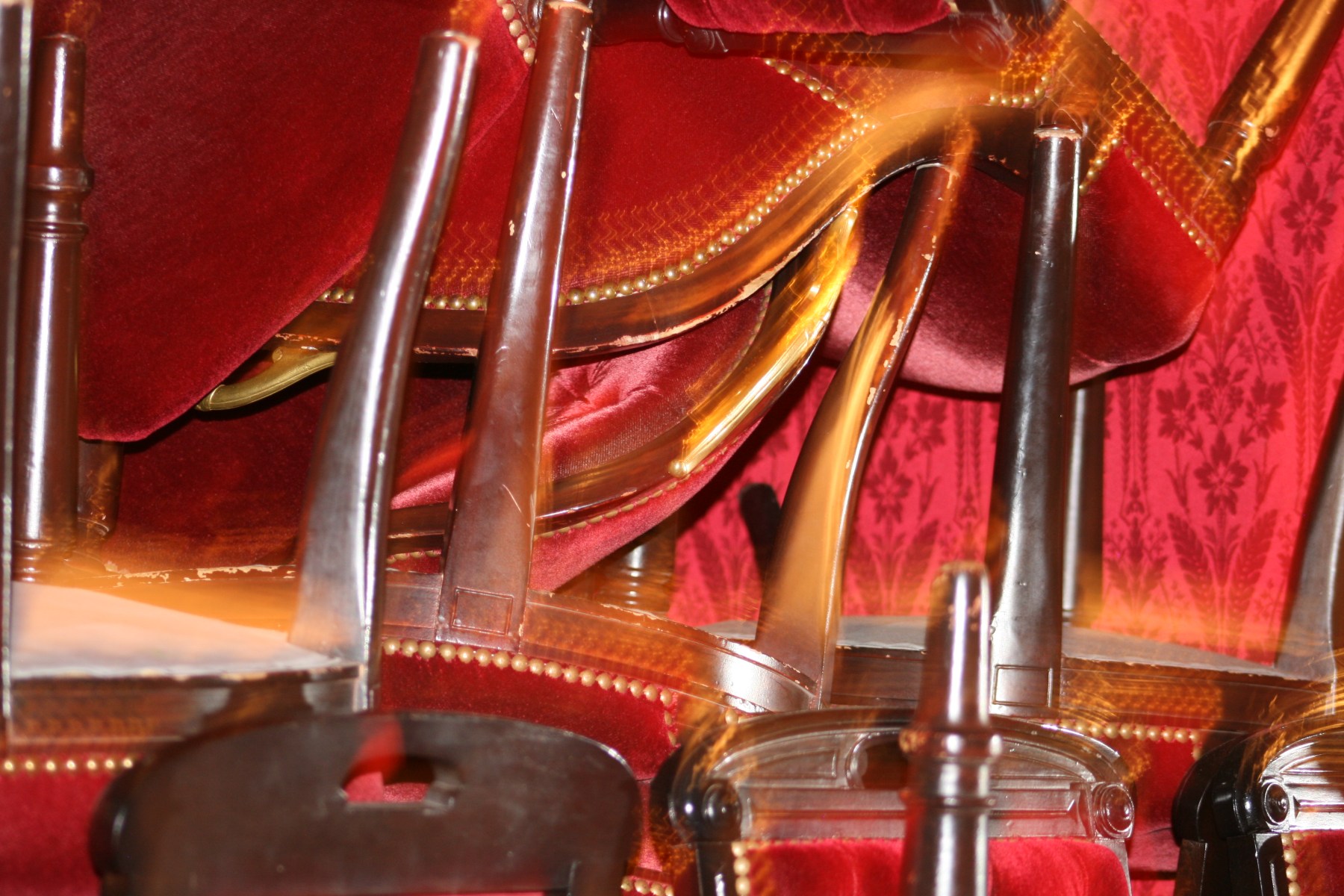
Well, we’re not exactly backstage here; in fact, we’re in box number 29, if I remember correctly. I have a number of images of the splendid Palais Garnier, the Paris Opera House, but we’ll start with this bit of organised chaos.
This home to ballet, and beautiful lines, has legs apparently akimbo in this frame. I liked the sense of of the apparent discord, with rightside up and upside down chairs stacked together, in what was actually an organised manner, alongside steps at the back of the box.


 Shelagh's Lens